Fasting
Delve into fasting as a natural remedy for detox and cleansing, examining its benefits, historical uses, and modern applications.

Explore the world of fasting as a natural remedy within detox and cleansing practices. Understand its definitions, mechanisms, traditional uses, modern research, and safety considerations.
What It Is
Fasting is the voluntary abstention from all or some types of food and drink for a specific period. It has been practiced for centuries across various cultures and religions for spiritual, health, and detoxification purposes. Fasting can range from intermittent fasting, where individuals cycle between eating and fasting periods, to prolonged fasting, which lasts for several days.
Key Active Compounds & Mechanisms
While fasting itself does not contain active compounds like a plant or herb, its physiological effects are mediated by several mechanisms:
- Autophagy: This is the body's way of cleaning out damaged cells, which can lead to cellular rejuvenation.
- Insulin Sensitivity: Fasting can improve insulin sensitivity, which helps in regulating blood sugar levels.
- Hormonal Changes: Fasting triggers the release of hormones like norepinephrine and growth hormone, which can enhance fat burning and muscle preservation.
- Cellular Repair Processes: Fasting initiates various repair processes, including reducing inflammation and promoting longevity.
Traditional Uses
Historically, fasting has been utilized across various cultures for spiritual and health reasons:
- Religious Practices: Many religions, including Christianity, Islam, and Buddhism, incorporate fasting as a means of purification and spiritual discipline.
- Ancient Medicine: Ancient Greek physician Hippocrates often recommended fasting as a treatment for various ailments, advocating for its use to promote health and healing.
- Detoxification: Indigenous cultures have used fasting to cleanse the body and mind, believing it helps to restore balance and wellbeing.
What Modern Research Suggests
Contemporary studies indicate that fasting may have several health benefits. Research has explored its potential effects on weight loss, metabolic health, and longevity:
- Weight Management: Intermittent fasting has been linked to effective weight loss and fat loss.
- Metabolic Health: Fasting may improve markers of metabolic health, including blood glucose levels and lipid profiles.
- Longevity: Some animal studies suggest that fasting could extend lifespan and reduce the risk of age-related diseases.
Functional Actions
The functional actions of fasting can be categorized as follows:
- Detoxification: Helps may help with toxins and waste products from the body.
- Weight Loss: Promotes fat loss and helps in managing body weight.
- Improved Mental Clarity: Many people report increased focus and mental clarity during fasting periods.
- Enhanced Immune Function: Fasting may boost the immune system and promote overall health.
Body Systems Supported
Fasting supports various body systems, including:
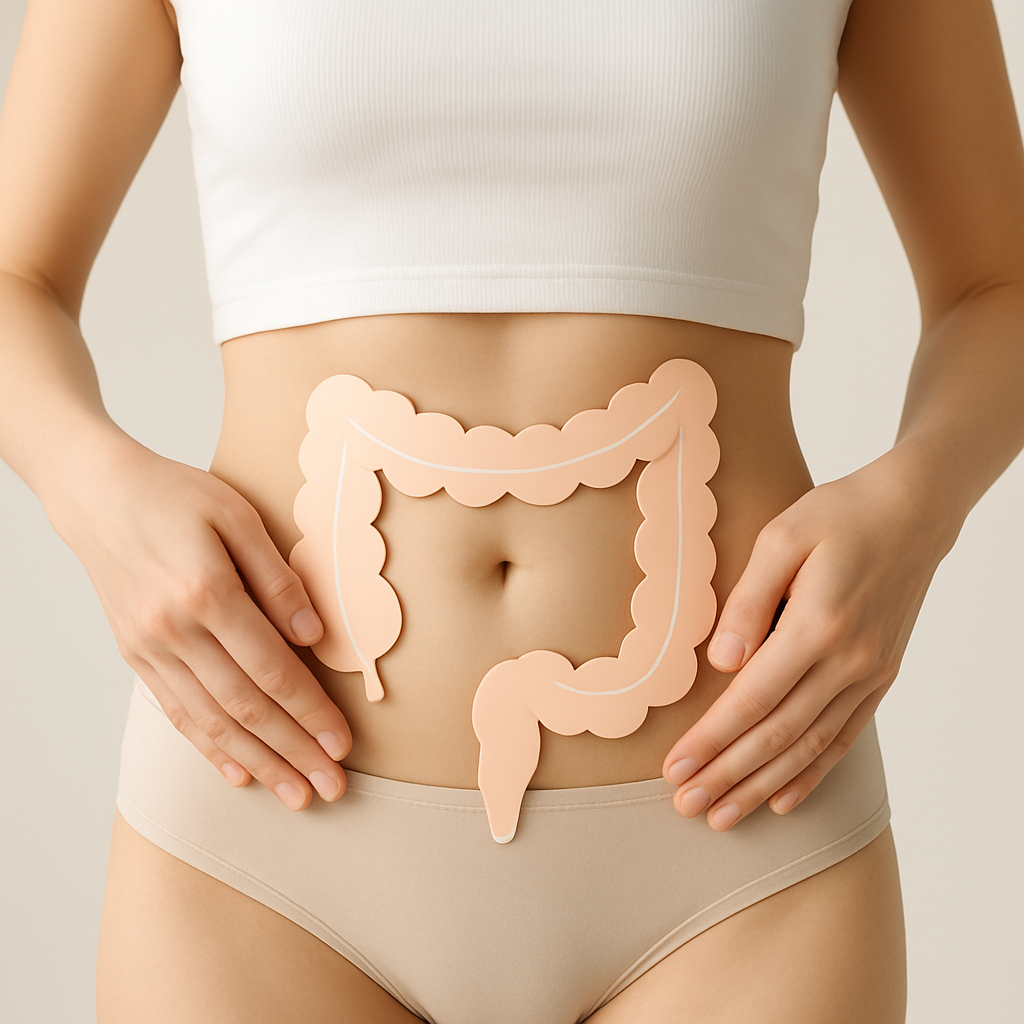
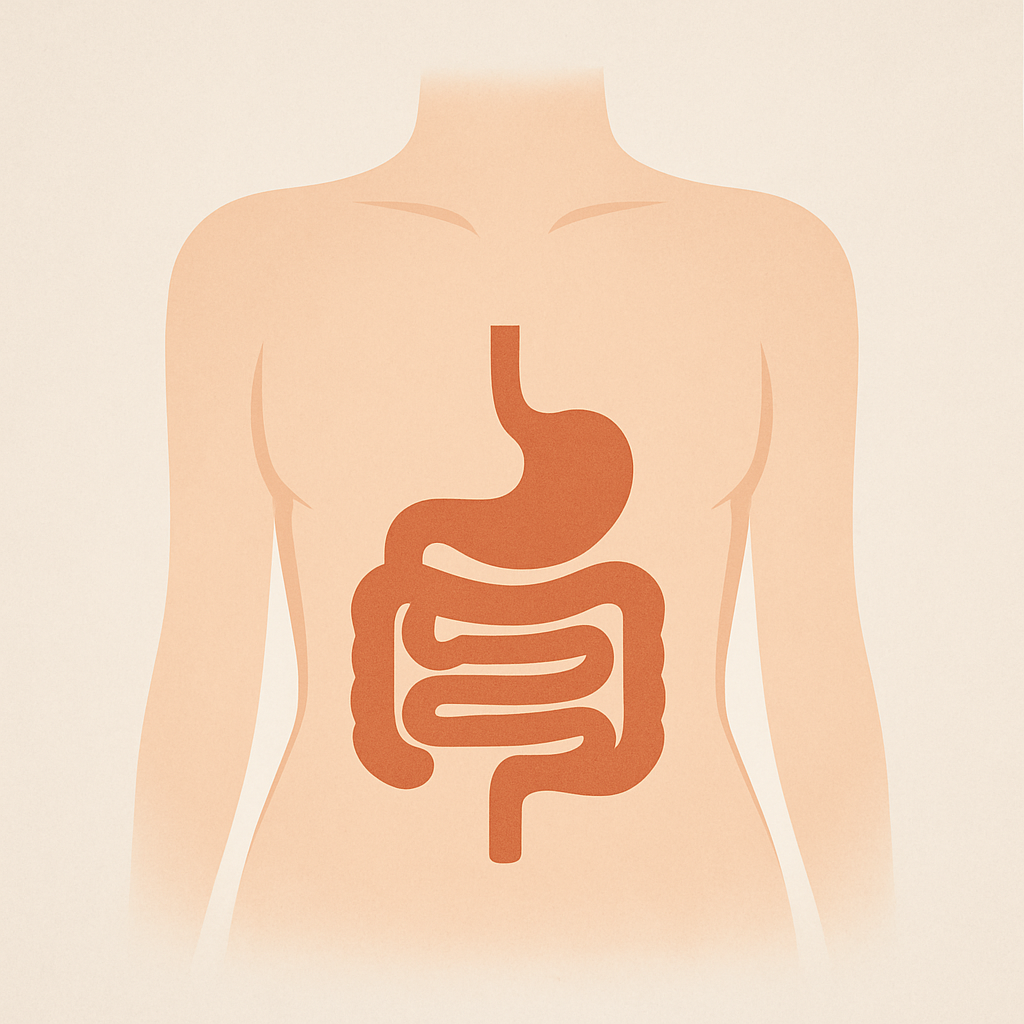
- Digestive System: Fasting gives the digestive system a break, allowing it to reset and may support.
- Endocrine System: It can improve hormone regulation, particularly insulin.
- Immune System: Fasting may enhance immune response and reduce inflammation.
- Nervous System: Some studies suggest that fasting can support brain health and cognitive function.
Common Forms & Educational Dosing Ranges
Fasting can take various forms, including:
- Intermittent Fasting: Involves cycles of eating and fasting, such as the 16/8 method (16 hours fasting, 8 hours eating).
- Prolonged Fasting: Lasting 24 hours or more, often requiring medical supervision.
- Alternate-Day Fasting: Involves fasting every other day, alternating with normal eating.
- Time-Restricted Eating: Limits eating to specific times of the day.
Safety, Contraindications & Interactions
While fasting can offer health benefits, it may not be suitable for everyone. Individuals with the following conditions should consult a healthcare provider before fasting:
- Pregnant or breastfeeding women.
- Individuals with a history of eating disorders.
- People with diabetes or blood sugar management issues.
- Those taking medications that require food intake, such as certain antidepressants or antipsychotics.
Pairs Well With
Fasting can be complemented by various natural remedies and practices to enhance its benefits:
- Hydration: Drinking water, herbal teas, or electrolyte-rich drinks can support the fasting process.
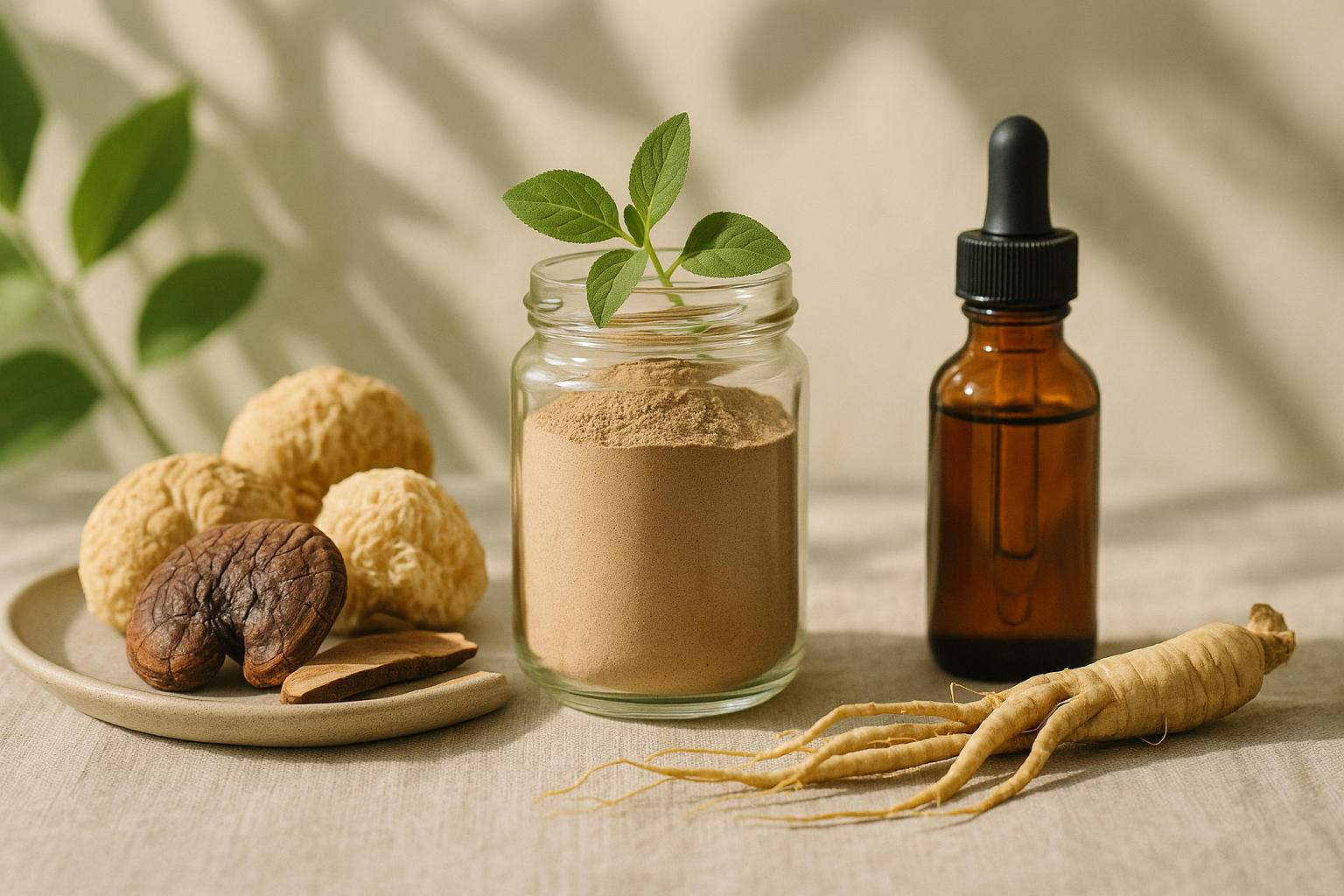
- Herbal Supplements: Plants like milk thistle (Silybum marianum) and dandelion (Taraxacum officinale) may support liver detoxification during fasting.
- Mindfulness Practices: Incorporating meditation or yoga can enhance the mental clarity and spiritual benefits of fasting.
FAQs (5)
- Is fasting safe for everyone? No, fasting may not be suitable for individuals with certain medical conditions. Always consult a healthcare provider before starting.
- How long should I fast? The duration of fasting varies depending on the method. Intermittent fasting can be done daily, while prolonged fasting should be approached cautiously.
- Can I drink water while fasting? Yes, staying hydrated is essential during fasting. Water, herbal teas, and black coffee are generally acceptable.
- Will fasting help me lose weight? Many people experience weight loss with fasting, but results can vary based on individual metabolism and adherence.
- Can I exercise while fasting? Light exercise is generally safe during fasting, but intense workouts may require energy from food intake.
Frequently asked
Is fasting safe for everyone?
No, fasting may not be suitable for individuals with certain medical conditions. Always consult a healthcare provider before starting.
How long should I fast?
The duration of fasting varies depending on the method. Intermittent fasting can be done daily, while prolonged fasting should be approached cautiously.
Can I drink water while fasting?
Yes, staying hydrated is essential during fasting. Water, herbal teas, and black coffee are generally acceptable.
Will fasting help me lose weight?
Many people experience weight loss with fasting, but results can vary based on individual metabolism and adherence.
Can I exercise while fasting?
Light exercise is generally safe during fasting, but intense workouts may require energy from food intake.