Recovery Aminos
Explore the benefits of recovery aminos, their active compounds, traditional uses, and how they support the body in muscle recovery and health.
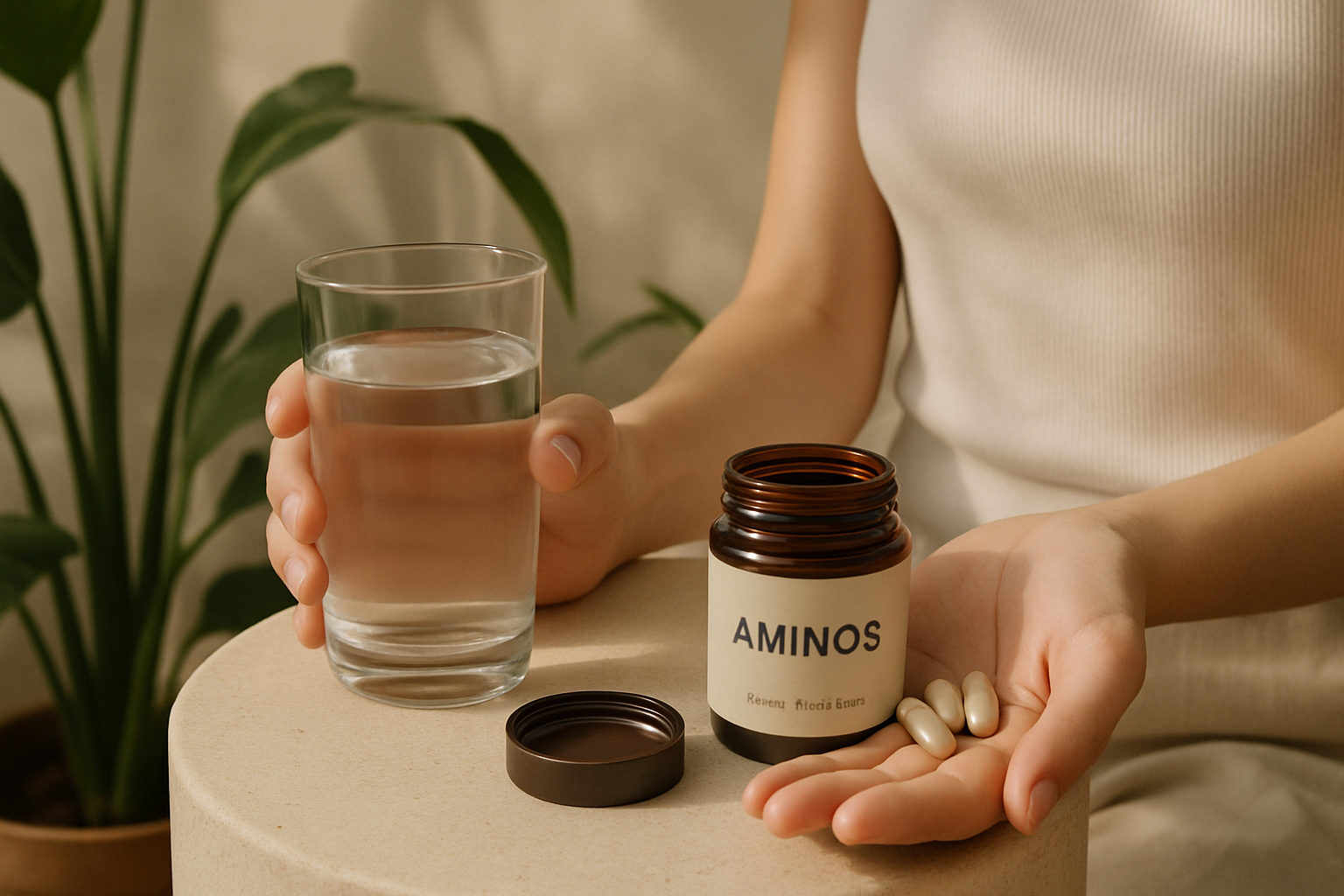
Recovery aminos are essential for muscle recovery and overall health, derived from natural sources. These amino acids play a crucial role in repairing tissues and enhancing performance, making them a popular choice among athletes and fitness enthusiasts.
What It Is
Recovery aminos refer to a group of amino acids that are vital for muscle recovery and overall body maintenance. These compounds are primarily derived from protein sources and are essential for various bodily functions, including tissue repair, immune function, and hormone production. Key recovery aminos include branched-chain amino acids (BCAAs) such as leucine, isoleucine, and valine, as well as glutamine and arginine.
Key Active Compounds & Mechanisms
The primary active compounds in recovery aminos are:
- Leucine: Plays a critical role in muscle protein synthesis and helps stimulate recovery post-exercise.
- Isoleucine: Supports energy regulation and aids in muscle repair.
- Valine: Contributes to muscle metabolism and promotes endurance.
- Glutamine: Essential for immune function and recovery, particularly after intense exercise.
- Arginine: Involved in nitric oxide production, which enhances blood flow and nutrient delivery to muscles.
These amino acids work synergistically to reduce muscle soreness, enhance recovery times, and support overall athletic performance.
Traditional Uses
Historically, amino acids have been recognized in various cultures for their health benefits. Ancient Greeks and Romans understood the importance of protein in diet, often consuming animal-based proteins for strength and recovery. Traditional Chinese medicine has also emphasized balanced nutrition, including amino acid-rich foods, to support overall vitality and health.
What Modern Research Suggests
Modern studies have begun to validate the traditional uses of recovery aminos. Research indicates that BCAAs can significantly reduce muscle soreness and accelerate recovery after exercise. Additionally, glutamine supplementation has been linked to improved immune function and faster recovery in athletes. However, it is essential to approach these findings cautiously, as individual responses to amino acid supplementation can vary.
Functional Actions
The functional actions of recovery aminos include:
- Muscle Repair: Essential for repairing micro-tears in muscle tissue after exercise.
- Reduced Muscle Soreness: Helps alleviate delayed onset muscle soreness (DOMS).
- Enhanced Performance: Supports endurance and reduces fatigue during workouts.
- Immune Support: Aids in maintaining immune function, especially during intensive training periods.
Body Systems Supported
Recovery aminos primarily support the following body systems:
- Musculoskeletal System: Essential for muscle recovery and growth.
- Immune System: Helps maintain immune health, especially during physical stress.
- Endocrine System: Supports hormone production and regulation.
Common Forms & Educational Dosing Ranges
Recovery aminos are available in various forms, including:
- Powders: Commonly available as BCAA or glutamine powders, which can be mixed with water or smoothies.
- Capsules/Tablets: Convenient for dosing on the go.
- Protein Supplements: Many protein powders contain a blend of amino acids, including recovery aminos.
Educational dosing ranges suggest:
- 5-10 grams of BCAAs before or after workouts.
- 5 grams of glutamine post-exercise to support recovery.
Safety, Contraindications & Interactions
Generally, recovery aminos are considered safe for most individuals when taken as directed. However, it is essential to be aware of potential contraindications:
- Individuals with kidney disease should consult a healthcare provider before taking amino acid supplements.
- Those on medications that affect kidney function, such as certain diuretics, should also seek advice.
Always consult a healthcare professional before starting any new supplement regimen, especially if you have existing health conditions or are taking medications.
Pairs Well With
Recovery aminos can be effectively paired with:
- Protein Supplements: To enhance overall amino acid intake.
- Electrolyte Drinks: To support hydration and recovery.
- Creatine: For improved strength and performance during workouts.
FAQs (5)
- What are recovery aminos? Recovery aminos are essential amino acids that aid in muscle recovery and overall health.
- How do I take recovery aminos? They can be taken as powders, capsules, or as part of protein supplements, typically around workouts.
- Are there any side effects? Generally safe, but individuals with kidney issues should consult a healthcare provider.
- Can I get enough recovery aminos from food? Yes, high-protein foods such as meat, dairy, and legumes provide recovery aminos.
- When is the best time to take recovery aminos? They are most beneficial when taken before or after workouts to support recovery.
Frequently asked
What are recovery aminos?
Recovery aminos are essential amino acids that aid in muscle recovery and overall health.
How do I take recovery aminos?
They can be taken as powders, capsules, or as part of protein supplements, typically around workouts.
Are there any side effects?
Generally safe, but individuals with kidney issues should consult a healthcare provider.
Can I get enough recovery aminos from food?
Yes, high-protein foods such as meat, dairy, and legumes provide recovery aminos.
When is the best time to take recovery aminos?
They are most beneficial when taken before or after workouts to support recovery.