Immune Support
Discover how amino acids can enhance your immune system through their natural properties and traditional applications.

Explore the benefits of amino acids for immune support, including key compounds, traditional uses, modern research, and safety considerations.
What It Is
Amino acids are organic compounds that serve as the building blocks of proteins and play a crucial role in various physiological processes. Specifically, certain amino acids are known for their ability to enhance immune function. These include L-arginine, L-glutamine, and L-cysteine, among others. By supporting the production of antibodies and other immune cells, these amino acids can contribute to a more robust immune system.
Key Active Compounds & Mechanisms
Several amino acids are particularly significant for immune support:
- L-arginine: This amino acid is involved in the production of nitric oxide, which helps improve blood flow and supports immune function.
- L-glutamine: Often considered a fuel source for immune cells, L-glutamine is essential for maintaining the integrity of the gut barrier.
- L-cysteine: A precursor to glutathione, this amino acid plays a vital role in detoxification and protecting cells from oxidative stress.
These compounds work synergistically to enhance the immune response, reduce inflammation, and promote overall health.
Traditional Uses
Throughout history, various cultures have recognized the importance of amino acids in supporting health. For instance:
- In Traditional Chinese Medicine (TCM), foods high in protein like bone broth (rich in collagen and amino acids) have been used to strengthen the body’s defenses.
- Ancient Greeks promoted the consumption of animal proteins for their believed immune-boosting properties.
- Indigenous cultures often utilized specific plants rich in amino acids to enhance vitality and support recovery from illness.
These historical practices highlight the long-standing recognition of amino acids as vital for maintaining health and resilience.
What Modern Research Suggests
Recent studies have begun to validate many traditional claims regarding the immune-supportive properties of amino acids:
- Research indicates that L-glutamine supplementation can help reduce the risk of infections in critically ill patients.
- Studies have shown that L-arginine can enhance the function of immune cells, particularly in older adults.
- Clinical trials have suggested that L-cysteine may help bolster the immune response by increasing glutathione levels, which are crucial for detoxification and cellular health.
While these findings are promising, further research is necessary to establish definitive guidelines and applications.
Functional Actions
Amino acids perform a variety of functions vital for immune support:
- Antioxidant Activity: Certain amino acids help in the synthesis of antioxidants, protecting cells from oxidative stress.
- Cellular Repair: Amino acids are essential for repairing tissues and building new cells, which is critical during illness.
- Inflammation Regulation: Some amino acids help modulate inflammatory responses, promoting a balanced immune reaction.
These actions contribute to a well-functioning immune system that can effectively respond to infections and diseases.
Body Systems Supported
Amino acids contribute to the health of several body systems, including:
- Immune System: Enhancing the production and function of immune cells.
- Digestive System: Maintaining gut integrity and promoting a healthy microbiome.
- Nervous System: Supporting neurotransmitter synthesis, which can influence stress and immune responses.
By supporting these interconnected systems, amino acids play a critical role in overall health and vitality.
Common Forms & Educational Dosing Ranges
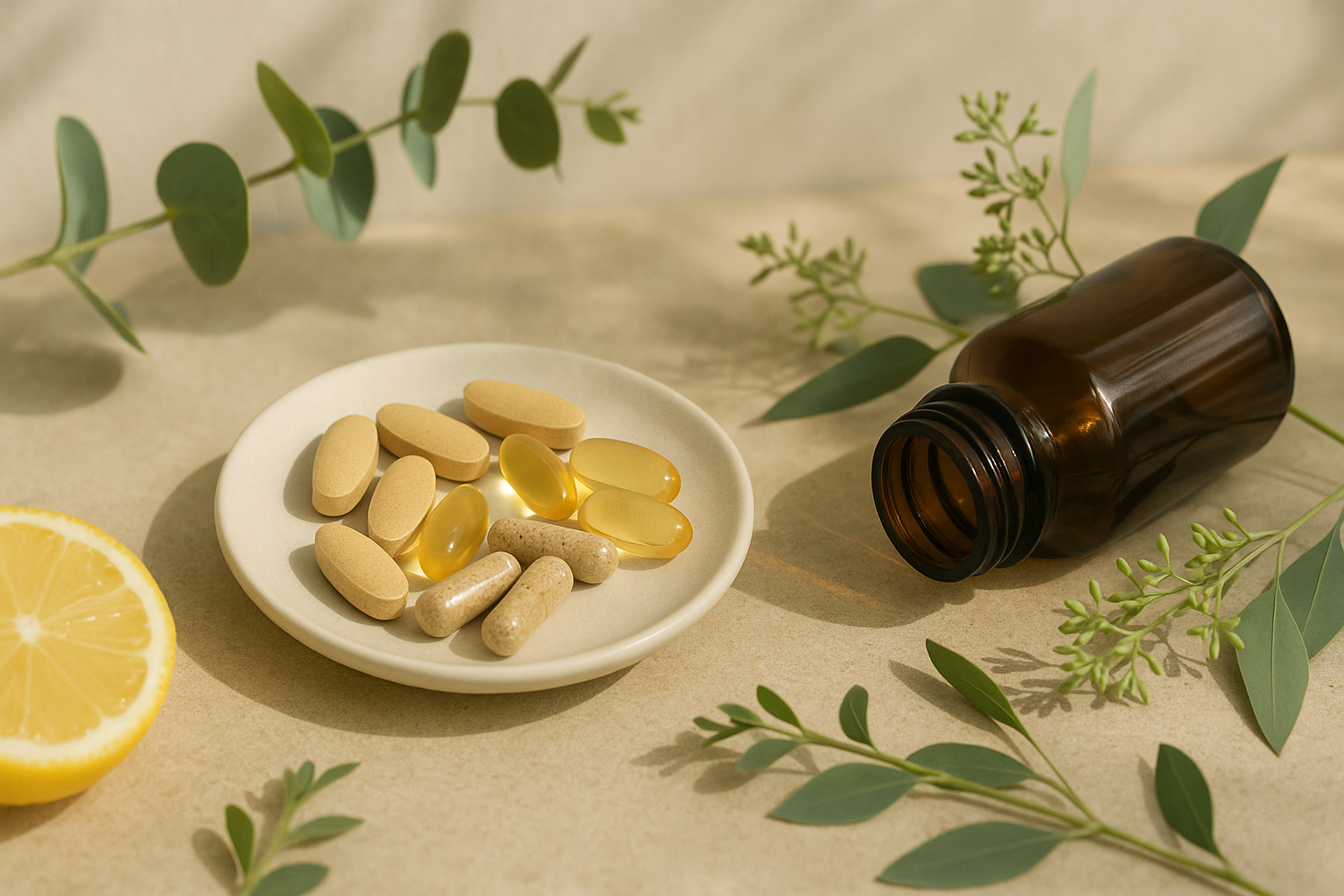
Amino acids are available in various forms, including:
- Powders: Often used in smoothies or protein shakes, allowing for easy incorporation into daily diets.
- Capsules: Convenient for those who prefer not to mix powders.
- Liquid Formulas: These can be rapidly absorbed and are often used in clinical settings.
Typical dosing ranges vary by specific amino acid and individual needs, but general guidelines suggest:
- L-arginine: 3-6 grams per day.
- L-glutamine: 5-10 grams per day.
- L-cysteine: 500-1500 mg per day.
Always consult a healthcare provider before beginning any supplementation, especially for specific health conditions.
Safety, Contraindications & Interactions
While amino acids are generally considered safe, certain precautions should be noted:
- L-arginine: Might interact with blood pressure medications and should be used cautiously in individuals with asthma.
- L-glutamine: Generally safe but may not be recommended for those with certain liver or kidney conditions.
- L-cysteine: Should be used cautiously in individuals with a history of gastrointestinal issues.
It's essential to discuss any potential interactions with a healthcare provider, especially for those taking medications like anticoagulants or medications for diabetes.
Pairs Well With
Amino acids can be effectively combined with other natural remedies for enhanced immune support, such as:
- Vitamin C: Known for its immune-enhancing properties.
- Zinc: Vital for the development and function of immune cells.
- Elderberry: Traditionally used to support immune health during cold and flu season.
These combinations may work synergistically to provide comprehensive immune support.
FAQs (5)
- What are amino acids? Amino acids are organic compounds that serve as the building blocks of proteins and play crucial roles in various bodily functions.
- How do amino acids support the immune system? Certain amino acids enhance the production and functionality of immune cells, helping to improve the body's defense mechanisms.
- Can I get enough amino acids from food? Yes, a balanced diet rich in proteins from animal and plant sources typically provides adequate amino acids.
- Are there any side effects of taking amino acid supplements? While generally safe, amino acid supplementation may cause digestive discomfort or interact with certain medications.
- Should I consult a healthcare provider before taking amino acid supplements? Yes, it is advisable to discuss any supplementation with a healthcare provider, especially if you have underlying health conditions or are taking medications.
Frequently asked
What are amino acids?
Amino acids are organic compounds that serve as the building blocks of proteins and play crucial roles in various bodily functions.
How do amino acids support the immune system?
Certain amino acids enhance the production and functionality of immune cells, helping to improve the body's defense mechanisms.
Can I get enough amino acids from food?
Yes, a balanced diet rich in proteins from animal and plant sources typically provides adequate amino acids.
Are there any side effects of taking amino acid supplements?
While generally safe, amino acid supplementation may cause digestive discomfort or interact with certain medications.
Should I consult a healthcare provider before taking amino acid supplements?
Yes, it is advisable to discuss any supplementation with a healthcare provider, especially if you have underlying health conditions or are taking medications.