Mood Support
Discover how amino acids can support mood, their historical significance, and the latest research.

Explore the role of amino acids in mood support, their traditional uses, modern research insights, and safety considerations.
What It Is
Mood support through amino acids refers to the use of specific amino acids, which are the building blocks of proteins, to help enhance emotional well-being and stabilize mood. Key amino acids involved in mood regulation include tryptophan, tyrosine, and glycine. These compounds are essential for producing neurotransmitters, which are chemical messengers that play a crucial role in mood regulation.
Key Active Compounds & Mechanisms
The primary amino acids that contribute to mood support include:
- Tryptophan: A precursor to serotonin, often referred to as the "feel-good" neurotransmitter. It is believed to help improve mood and promote relaxation.
- Tyrosine: A precursor to dopamine and norepinephrine, neurotransmitters linked to mood and stress response. Tyrosine may help enhance mood during stressful situations.
- Glycine: Known for its calming effects, glycine may help reduce anxiety and improve sleep quality.
These amino acids work by supporting the synthesis of neurotransmitters, which are critical for maintaining emotional balance. They can influence brain function and behavior by modulating the release and activity of these neurotransmitters.
Traditional Uses
Amino acids have been utilized traditionally in various cultures for their mood-enhancing properties. For instance:
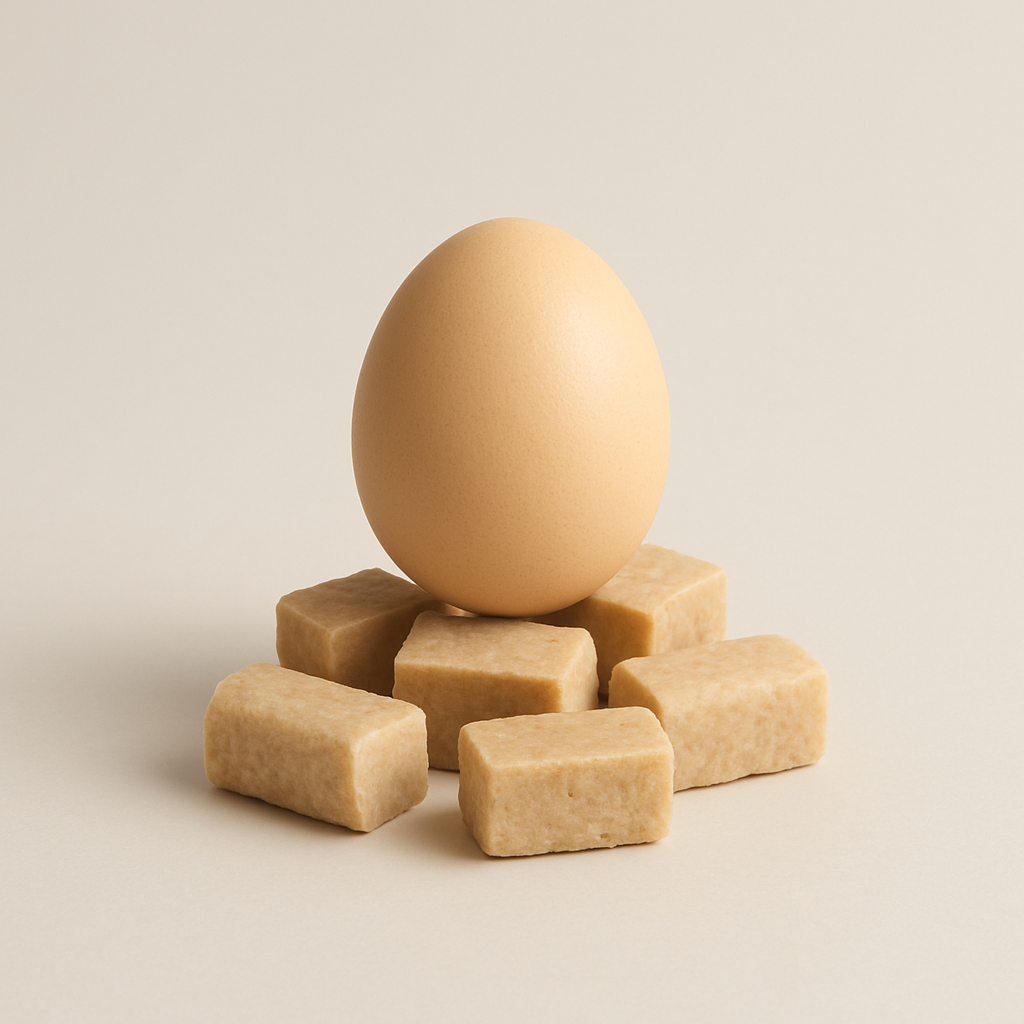
- Tryptophan: Historically, foods rich in tryptophan, such as turkey and dairy, have been consumed to promote relaxation and improved mood.
- Tyrosine: In Ayurvedic medicine, tyrosine-rich foods are recommended for enhancing mental clarity and emotional resilience.
- Glycine: Used in traditional Chinese medicine, glycine is believed to have calming properties and is often included in formulations to support mental tranquility.
These historical practices demonstrate the longstanding recognition of amino acids in supporting emotional well-being.
What Modern Research Suggests
Recent studies have begun to explore the relationship between amino acids and mood support. Research indicates that:
- Supplementation with tryptophan may improve mood and reduce symptoms of depression in some individuals.
- Tyrosine has shown promise in enhancing cognitive performance and mood during stress.
- Glycine may help improve sleep quality, which can indirectly support better mood regulation.
While these findings are encouraging, more extensive research is needed to establish definitive conclusions regarding the efficacy and safety of amino acid supplementation for mood support.
Functional Actions
The functional actions of amino acids on mood include:
- Enhancing neurotransmitter synthesis, leading to improved mood and emotional stability.
- Modulating stress response and cognitive function, particularly during challenging situations.
- Promoting relaxation and reducing anxiety through calming effects.
These actions help create a balanced emotional state, making amino acids a valuable component of mood support strategies.
Body Systems Supported
Amino acids play a vital role in several body systems, including:
- Nervous System: Support neurotransmitter production and regulate mood and cognitive function.
- Endocrine System: Influence hormone production related to stress and emotional regulation.
- Immune System: Help maintain overall health, which can impact mood and emotional well-being.
By supporting these systems, amino acids contribute to a holistic approach to mood health.
Common Forms & Educational Dosing Ranges
Amino acids are available in various forms, including:
- Powders: Can be mixed with beverages or smoothies.
- Capsules: Convenient for on-the-go supplementation.
- Food Sources: Incorporating tryptophan, tyrosine, and glycine-rich foods into the diet, like turkey, chicken, fish, dairy, legumes, and nuts.
Educational dosing ranges vary based on individual needs and health status. However, common recommendations include:
- Tryptophan: 500-1000 mg per day.
- Tyrosine: 500-2000 mg per day.
- Glycine: 3-5 grams per day.
It is essential to consult a healthcare professional before starting any supplementation regimen.
Safety, Contraindications & Interactions
While amino acids are generally considered safe, certain precautions should be taken:
- Individuals taking antidepressant medications, particularly SSRIs, should consult a healthcare provider, as amino acids may interact with these drugs.
- Those with certain medical conditions, such as phenylketonuria (PKU), should avoid tyrosine supplementation.
- Pregnant and breastfeeding women should seek medical advice before using amino acid supplements.
Safety should always be prioritized, and professionals can provide tailored guidance based on individual health circumstances.
Pairs Well With
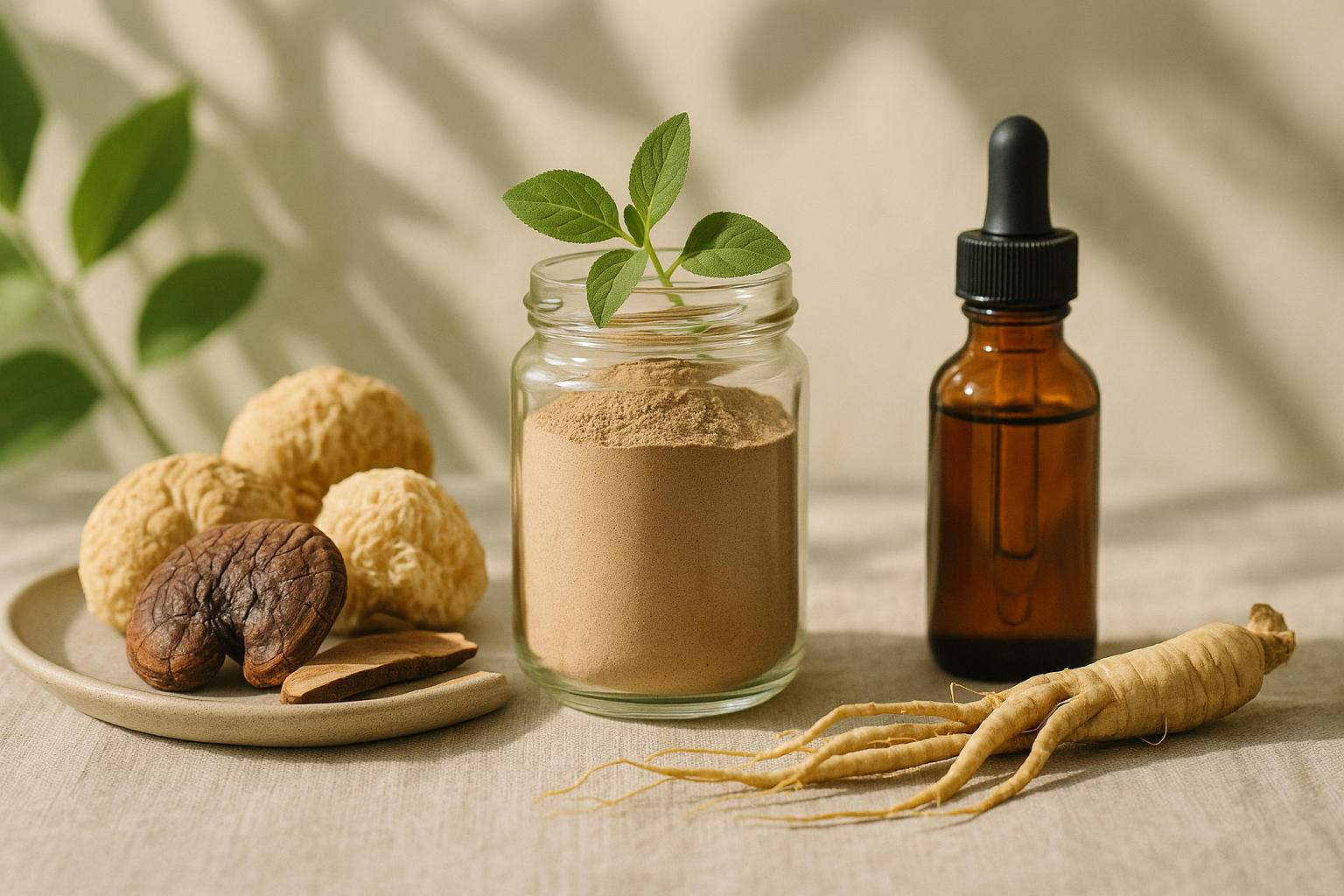
Amino acids can be effectively paired with various natural remedies to enhance mood support, including:
- Omega-3 Fatty Acids: Found in fish oil, known for their mood-stabilizing properties.
- B Vitamins: Essential for energy production and neurotransmitter function.
- Magnesium: Supports relaxation and can help reduce anxiety.
Combining these remedies may create a synergistic effect, promoting a more balanced mood.
FAQs (5)
- What are the best food sources of tryptophan? Foods like turkey, chicken, fish, eggs, dairy products, nuts, and seeds are excellent sources of tryptophan.
- Can amino acids help with anxiety? Some amino acids, particularly glycine, may help reduce anxiety and promote relaxation.
- Is it safe to take amino acid supplements? Most amino acid supplements are considered safe, but consulting a healthcare professional is advisable, especially if you have existing health conditions or are on medications.
- How long does it take to see effects from amino acid supplementation? Individual responses vary; some may notice effects within a few days, while others may take longer to experience benefits.
- Can I take amino acids with other supplements? Amino acids can be taken with other supplements, but it is best to consult a healthcare professional for personalized advice.
Frequently asked
What are the best food sources of tryptophan?
Foods like turkey, chicken, fish, eggs, dairy products, nuts, and seeds are excellent sources of tryptophan.
Can amino acids help with anxiety?
Some amino acids, particularly glycine, may help reduce anxiety and promote relaxation.
Is it safe to take amino acid supplements?
Most amino acid supplements are considered safe, but consulting a healthcare professional is advisable, especially if you have existing health conditions or are on medications.
How long does it take to see effects from amino acid supplementation?
Individual responses vary; some may notice effects within a few days, while others may take longer to experience benefits.
Can I take amino acids with other supplements?
Amino acids can be taken with other supplements, but it is best to consult a healthcare professional for personalized advice.