Protein Building Blocks
Discover the vital role of amino acids in protein synthesis, their historical applications, and how they support various body systems.
Explore the essential role of amino acids as protein building blocks, their traditional uses, modern research insights, and safety considerations.
What It Is
Amino acids are organic compounds that serve as the building blocks of proteins. They play a crucial role in numerous biological processes and are vital for growth, development, and overall health. Amino acids can be classified into two main categories: essential and non-essential. Essential amino acids cannot be synthesized by the body and must be obtained from dietary sources, while non-essential amino acids can be produced by the body from other compounds.
Key Active Compounds & Mechanisms
The 20 standard amino acids are the primary active compounds involved in protein synthesis. Among these, there are nine essential amino acids:
- Histidine
- Isoleucine
- Leucine
- Lysine
- Methionine
- Phenylalanine
- Threonine
- Tryptophan
- Valine
These amino acids contribute to various physiological functions, including:
- Protein synthesis
- Neurotransmitter regulation
- Immune function support
- Energy production
The mechanisms through which amino acids exert their effects include acting as precursors for neurotransmitters, influencing metabolic pathways, and regulating gene expression.
Traditional Uses
Amino acids have been utilized in traditional medicine systems around the world for centuries. For instance, in Traditional Chinese Medicine, certain amino acids like glycine have been used to promote liver health and improve sleep quality. Indigenous cultures also recognized the importance of protein-rich foods, such as nuts, seeds, and legumes, as sources of essential amino acids to support overall well-being and vitality.
What Modern Research Suggests
Modern research has begun to validate many of the traditional uses of amino acids. Studies suggest that certain amino acids may play a role in muscle recovery, immune function, and even mood regulation. For example, branched-chain amino acids (BCAAs) have been studied for their potential to enhance exercise performance and decrease muscle soreness. However, more research is needed to fully understand their benefits and optimal usage.
Functional Actions
Amino acids are known for their various functional actions in the body, including:
- Stimulating muscle growth and repair
- Supporting metabolic processes
- Enhancing cognitive function
- Regulating hormonal balance
These actions make amino acids essential for athletes, individuals recovering from surgery, and those looking to maintain optimal health.
Body Systems Supported
Amino acids support several body systems, including:
- Muscular System: Essential for muscle repair and growth.
- Nervous System: Important for neurotransmitter synthesis and brain function.
- Immune System: Contributes to immune cell production and function.
- Endocrine System: Influences hormone production and regulation.
Common Forms & Educational Dosing Ranges
Amino acids can be consumed through dietary sources or in supplement form. Common forms include:
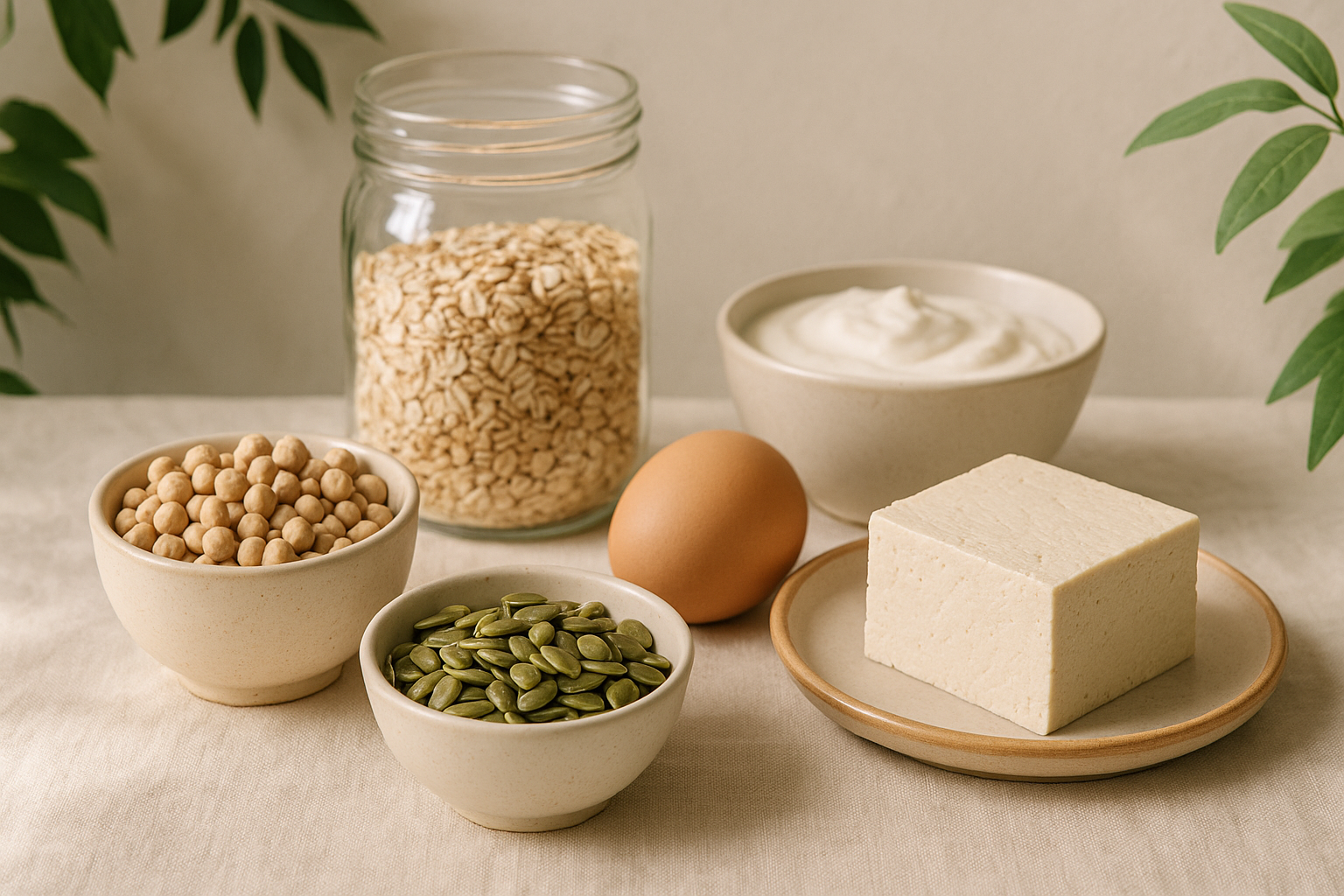
- Whole Foods: Meat, fish, dairy, eggs, legumes, nuts, and seeds.
- Amino Acid Supplements: Available in various forms such as powders, capsules, or tablets.
Educational dosing ranges vary based on individual needs, activity levels, and health goals. Generally, a balanced diet should provide sufficient essential amino acids. However, supplementing with amino acids may be beneficial for athletes or individuals with specific health concerns. Always consult a healthcare provider before starting supplementation.
Safety, Contraindications & Interactions
Amino acids are generally safe when consumed in appropriate amounts. However, excessive supplementation may lead to side effects such as gastrointestinal discomfort. Certain medication classes may interact with amino acids, including:
- Antidepressants: May interact with amino acid levels in the brain.
- Antibiotics: Some may affect amino acid absorption.
- Diabetes medications: Amino acids can influence insulin sensitivity.
It is essential to consult a healthcare provider, especially for individuals with pre-existing conditions or those taking medications.
Pairs Well With
Amino acids can be effectively paired with various nutrients to enhance their benefits:
- Protein: Pairing with complete protein sources ensures a full spectrum of amino acids.
- Vitamins: B vitamins support amino acid metabolism.
- Minerals: Magnesium and zinc play roles in protein synthesis and muscle recovery.
FAQs (5)
- What are the essential amino acids? Essential amino acids are those that the body cannot produce and must be obtained through diet. They include histidine, isoleucine, leucine, lysine, methionine, phenylalanine, threonine, tryptophan, and valine.
- Can amino acid supplements help with muscle recovery? Yes, certain amino acids, particularly branched-chain amino acids (BCAAs), may support muscle recovery and reduce soreness after exercise.
- Are there side effects to amino acid supplementation? While generally safe, excessive supplementation may lead to gastrointestinal discomfort and other side effects.
- How can I get more amino acids in my diet? Consume a varied diet rich in protein sources such as meat, fish, dairy, eggs, legumes, nuts, and seeds.
- Should I consult a healthcare provider before taking amino acid supplements? Yes, it is advisable to consult with a healthcare provider, especially if you have underlying health conditions or are taking medications.
Frequently asked
What are the essential amino acids?
Essential amino acids are those that the body cannot produce and must be obtained through diet. They include histidine, isoleucine, leucine, lysine, methionine, phenylalanine, threonine, tryptophan, and valine.
Can amino acid supplements help with muscle recovery?
Yes, certain amino acids, particularly branched-chain amino acids (BCAAs), may support muscle recovery and reduce soreness after exercise.
Are there side effects to amino acid supplementation?
While generally safe, excessive supplementation may lead to gastrointestinal discomfort and other side effects.
How can I get more amino acids in my diet?
Consume a varied diet rich in protein sources such as meat, fish, dairy, eggs, legumes, nuts, and seeds.
Should I consult a healthcare provider before taking amino acid supplements?
Yes, it is advisable to consult with a healthcare provider, especially if you have underlying health conditions or are taking medications.