Performance Support
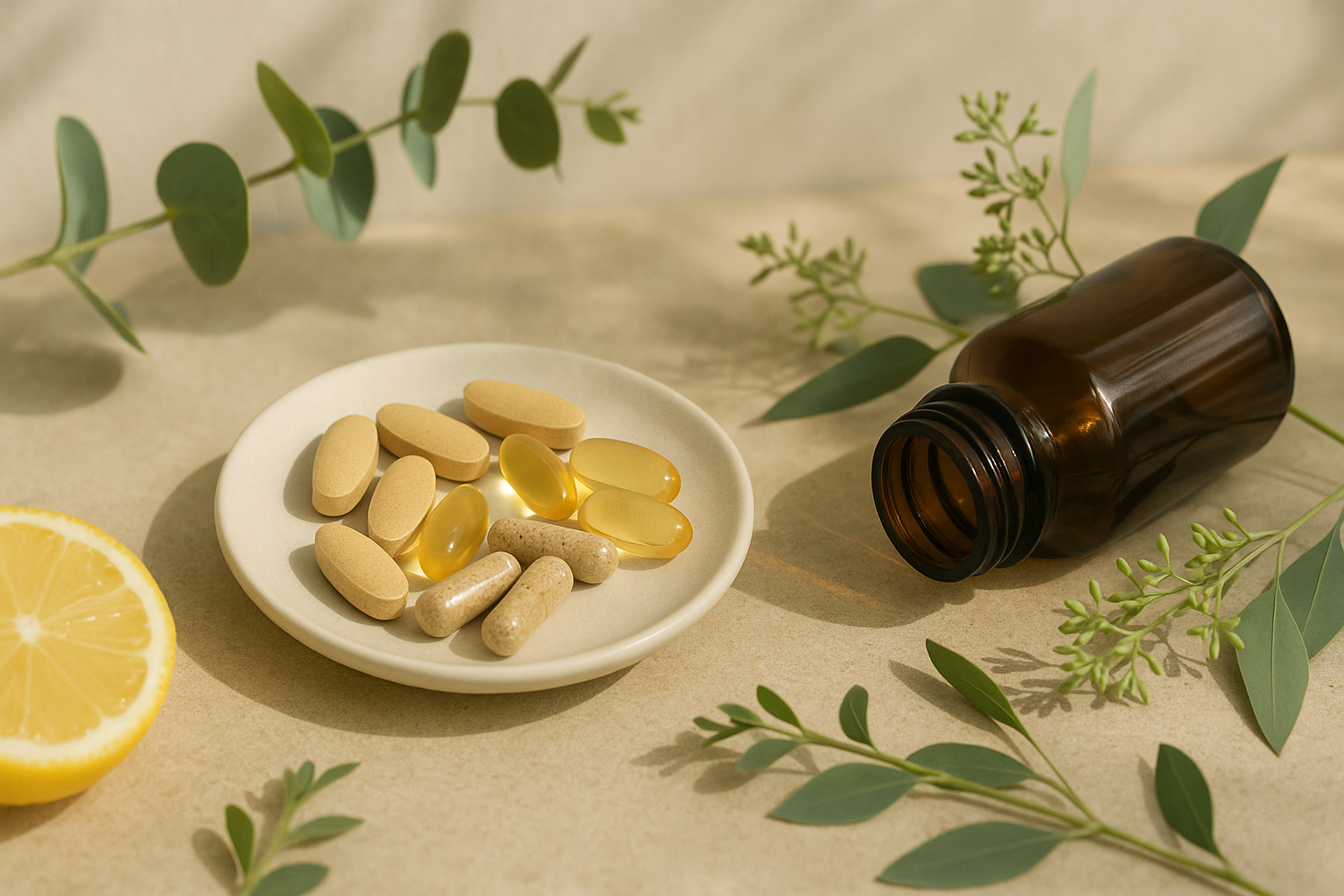
Discover how amino acids can support performance and well-being through natural remedies.
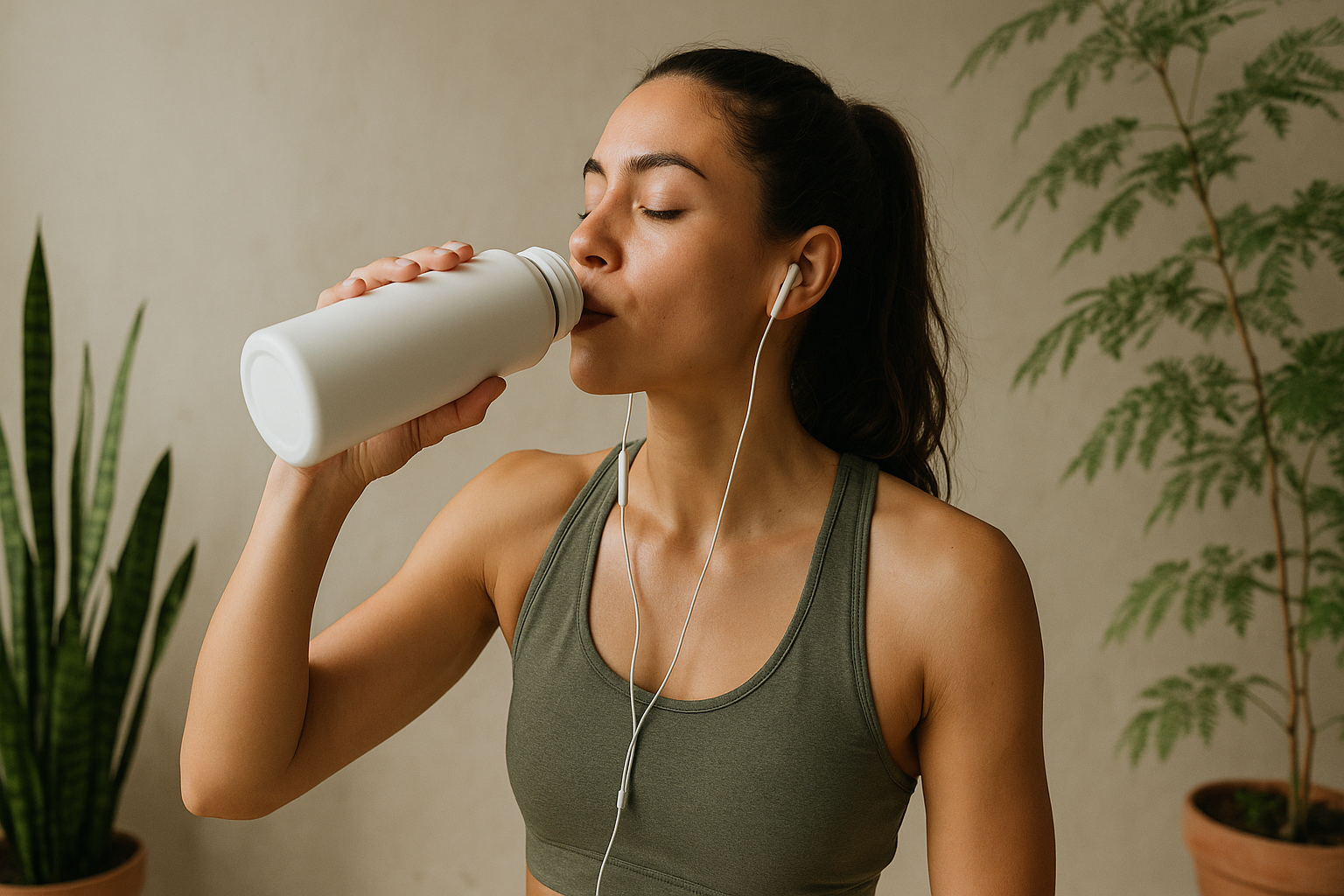
Explore the role of amino acids in enhancing physical performance, their traditional uses, modern research insights, and practical applications.
What It Is
Performance support refers to the use of specific amino acids, which are organic compounds that combine to form proteins. Amino acids play a crucial role in various bodily functions, including muscle growth, recovery, and energy production. They are categorized into essential amino acids, which must be obtained through diet, and non-essential amino acids, which the body can synthesize. Some key amino acids linked to performance support include L-arginine, L-citrulline, and L-glutamine.
Key Active Compounds & Mechanisms
The primary amino acids associated with performance support include:
- L-arginine: Known for its role in nitric oxide production, which helps improve blood flow and nutrient delivery to muscles.
- L-citrulline: Converts to L-arginine in the body and is known to enhance endurance and reduce muscle soreness.
- L-glutamine: Supports muscle recovery and immune function, especially after intense exercise.
These amino acids work through various mechanisms, such as enhancing protein synthesis, improving blood circulation, and reducing exercise-induced muscle damage.
Traditional Uses
Historically, amino acids have been utilized in various cultures for their health benefits. In Traditional Chinese Medicine, for example, certain amino acids were used to enhance energy and vitality. Ancient Greek athletes consumed protein-rich foods to support their physical performance, recognizing the importance of amino acids in muscle development and recovery.
What Modern Research Suggests
Recent studies have highlighted the potential benefits of amino acids in performance support. Research indicates that:
- Amino acid supplementation can enhance exercise performance and recovery.
- L-citrulline may reduce fatigue and improve endurance during prolonged physical activities.
- L-glutamine supplementation has been shown to aid in muscle recovery after intense workouts.
While these findings are promising, more research is needed to fully understand the long-term effects and optimal dosages of these amino acids.
Functional Actions
Amino acids offer several functional actions that support physical performance:
- Muscle Growth: Essential amino acids are crucial for muscle protein synthesis, helping to build and repair muscle tissue.
- Energy Production: Amino acids like L-arginine and L-citrulline enhance energy levels during workouts.
- Recovery: Amino acids such as L-glutamine play a vital role in recovery by reducing muscle soreness and fatigue.
Body Systems Supported
Amino acids support various body systems, including:
- Muscular System: Essential for muscle repair and growth.
- Circulatory System: Improve blood flow and oxygen delivery through nitric oxide production.
- Immune System: Certain amino acids help maintain immune function, particularly during intense training periods.
Common Forms & Educational Dosing Ranges
Amino acids are available in various forms, including:
- Powders: Often used for easy mixing into drinks or shakes.
- Capsules: Convenient for on-the-go supplementation.
- Liquid: Fast-absorbing options for immediate effect.
Common educational dosing ranges may include:
- L-arginine: 3-6 grams per day.
- L-citrulline: 6-8 grams per day.
- L-glutamine: 5-10 grams per day.
It is advisable to consult with a healthcare provider before starting any supplementation regimen.
Safety, Contraindications & Interactions
Amino acids are generally considered safe when taken within recommended doses. However, there are some considerations:
- L-arginine: May interact with medications for high blood pressure and can cause gastrointestinal discomfort in some individuals.
- L-citrulline: Generally safe but should be used cautiously in individuals with low blood pressure.
- L-glutamine: May interfere with certain medications, including those for liver disease.
Always consult a healthcare professional if you are on medication or have underlying health conditions.
Pairs Well With
Amino acids can be effectively paired with:
- Protein-rich foods: Such as lean meats, fish, dairy, and legumes.
- Carbohydrates: To replenish glycogen stores post-exercise.
- Vitamins and minerals: Such as B vitamins and magnesium to enhance overall performance and recovery.
FAQs (5)
- What are amino acids?
Amino acids are organic compounds that serve as building blocks of proteins, vital for various bodily functions. - How do amino acids support performance?
They enhance muscle growth, improve energy levels, and aid in recovery from exercise. - Are there any side effects of amino acid supplementation?
Some individuals may experience gastrointestinal discomfort; consult a healthcare provider for personalized advice. - Can I get amino acids from food?
Yes, many foods, especially those high in protein, provide essential and non-essential amino acids. - How much amino acid supplement should I take?
Dosing ranges vary; consult a healthcare provider for personalized recommendations based on your needs.
Frequently asked
What are amino acids?
Amino acids are organic compounds that serve as building blocks of proteins, vital for various bodily functions.
How do amino acids support performance?
They enhance muscle growth, improve energy levels, and aid in recovery from exercise.
Are there any side effects of amino acid supplementation?
Some individuals may experience gastrointestinal discomfort; consult a healthcare provider for personalized advice.
Can I get amino acids from food?
Yes, many foods, especially those high in protein, provide essential and non-essential amino acids.
How much amino acid supplement should I take?
Dosing ranges vary; consult a healthcare provider for personalized recommendations based on your needs.