Respiratory System
The airways and lungs — breathing and gas exchange.
What This System Does
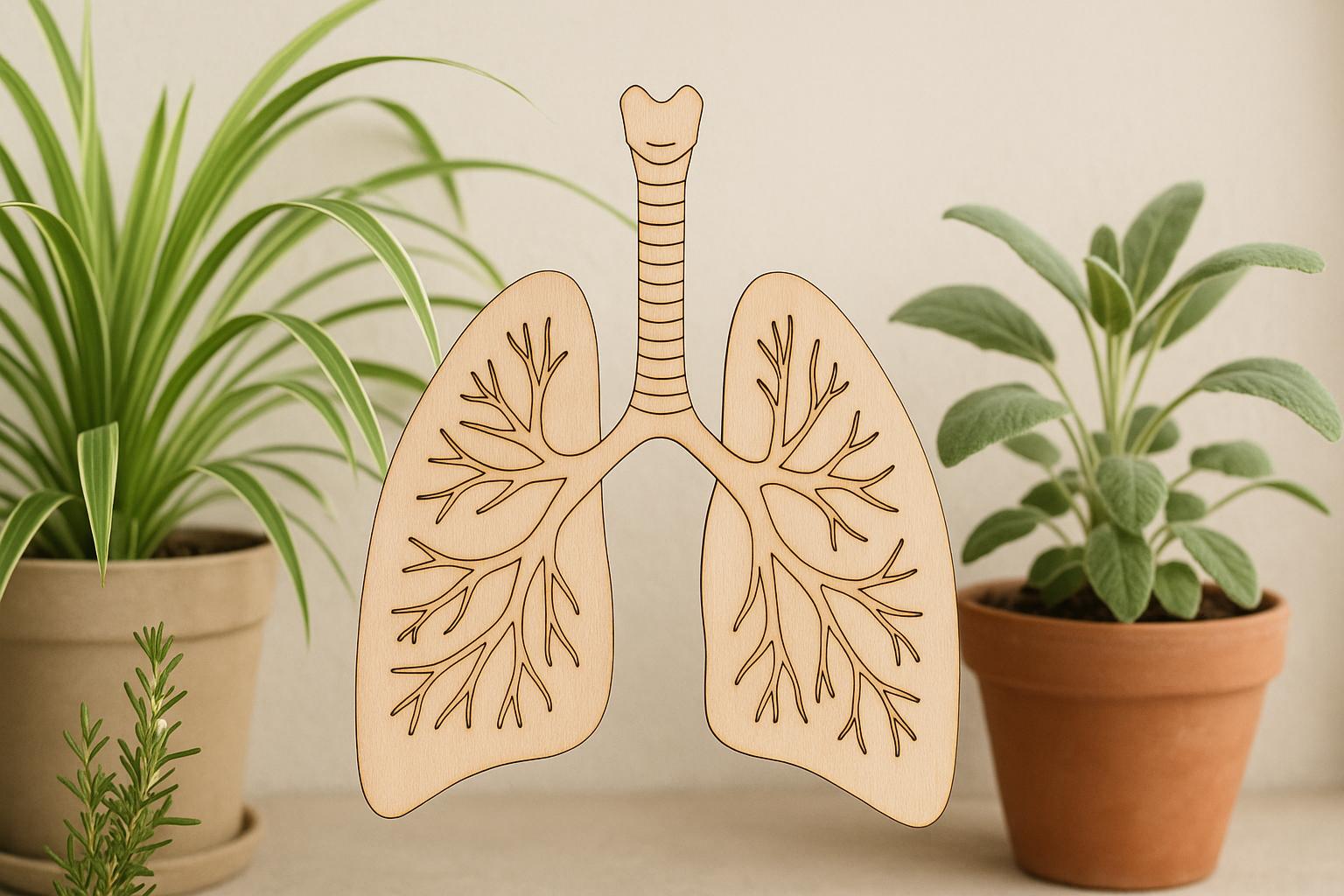
The respiratory system is a vital network of organs and tissues that plays a crucial role in breathing and the overall health of the body. Its primary function is to facilitate the exchange of oxygen and carbon dioxide, which is essential for maintaining life. The respiratory system consists of several key components, including the nose, throat (pharynx and larynx), windpipe (trachea), bronchi, and lungs.
When we inhale, air enters through the nose or mouth, traveling down the trachea and branching into the bronchi, which lead to the lungs. Inside the lungs, oxygen from the air passes into the bloodstream through tiny air sacs called alveoli, while carbon dioxide, a waste product, is expelled from the blood into the alveoli to be exhaled.
In addition to gas exchange, the respiratory system plays a role in regulating blood pH levels, protecting against pathogens, and facilitating vocalization. It is intricately connected to other body systems, including the circulatory system, which works in tandem to transport oxygen throughout the body.
Signs This System Is Out of Balance
- Shortness of breath or difficulty breathing
- Chronic cough or wheezing
- Frequent respiratory infections
- Chest tightness or discomfort
- Fatigue or decreased exercise tolerance
- Changes in the color or consistency of mucus
- Increased sensitivity to allergens or irritants
Common Contributing Factors
Several factors can contribute to imbalances in the respiratory system, including:
- Lifestyle: Smoking, sedentary behavior, and exposure to pollution can significantly impact lung health.
- Environment: Poor indoor air quality, allergens, and occupational exposures can trigger respiratory issues.
- Nutritional: A diet low in antioxidants and essential nutrients may weaken the immune system and respiratory function.
- Hormonal: Hormonal changes, particularly during pregnancy or menopause, can influence respiratory health.
- Structural: Physical abnormalities, such as a deviated septum or asthma, can disrupt normal respiratory function.
Natural Approaches Across the Three Pillars
Ancient Wisdom
Traditional practices, such as yoga and Tai Chi, emphasize breath control and deep breathing techniques to enhance lung capacity and promote relaxation. Herbal remedies, like eucalyptus and peppermint, have been used for centuries to support respiratory health due to their soothing properties.
Natural Remedies
Several natural ingredients are known for their respiratory support, including:
- Eucalyptus: Often used in steam inhalation to clear airways.
- Ginger: Supports immune function and may help reduce inflammation.
- Turmeric: Contains curcumin, which has anti-inflammatory properties.
- Honey: Known for its soothing effect on the throat and its ability to alleviate coughs.
- Thyme: Traditionally used for its antibacterial and antiviral properties.
- Licorice root: Can help soothe the respiratory tract and support overall lung function.
Modern Wellness
Modern wellness practices focus on lifestyle changes and biomarkers to support respiratory health:
- Regular exercise: Activities like walking, swimming, or cycling can improve lung capacity and overall fitness.
- Breathing exercises: Techniques such as diaphragmatic breathing can enhance oxygen intake.
- Air quality monitoring: Using air purifiers and humidifiers can improve indoor air quality.
- Nutrition: A balanced diet rich in fruits, vegetables, and omega-3 fatty acids can support respiratory health.
- Mindfulness and stress management: Practices like meditation and yoga can reduce stress, which may positively impact breathing.
Conditions Frequently Involving This System
Lifestyle & Habit Foundations That Support It
To maintain a healthy respiratory system, consider adopting the following habits:
- Quit smoking: Avoid tobacco products and secondhand smoke.
- Stay active: Engage in regular physical activity to enhance lung function.
- Practice good hygiene: Wash hands frequently and avoid close contact with sick individuals.
- Manage allergies: Identify and minimize exposure to allergens.
- Stay hydrated: Drink plenty of fluids to keep mucus membranes moist.
- Get regular check-ups: Monitor lung health with healthcare professionals.
When to Seek Professional Care
If you experience persistent or severe respiratory symptoms, such as difficulty breathing, chronic cough, or chest pain, it is important to seek professional care. Early intervention can help prevent complications and improve overall respiratory health.
FAQs
What is the primary function of the respiratory system?
The primary function of the respiratory system is to facilitate the exchange of oxygen and carbon dioxide between the body and the environment.
How can I improve my lung health?
Improving lung health can be achieved through regular exercise, a balanced diet, staying hydrated, avoiding smoking, and practicing good hygiene.
What are some common respiratory conditions?
Common respiratory conditions include asthma, chronic obstructive pulmonary disease (COPD), bronchitis, and pneumonia.
How does exercise benefit the respiratory system?
Exercise enhances lung capacity, improves oxygen uptake, and promotes overall cardiovascular health, which supports respiratory function.
Can nutrition impact respiratory health?
Yes, a diet rich in antioxidants, vitamins, and minerals can help support the immune system and improve respiratory health.
When should I see a doctor for respiratory symptoms?
You should see a doctor if you experience persistent or worsening respiratory symptoms, such as shortness of breath, chronic cough, or chest discomfort.